

What Is a 360-Degree SEO Plan? A Complete Guide for Businesses in 2026
In today’s competitive digital landscape, SEO is no longer just about keywords and backlinks. Businesses need a comprehensive, all-encompassing approach to stay visible and relevant. That’s where a 360-degree SEO plan comes in. Whether you’re a startup, eCommerce brand, or a service-based company, understanding and implementing a 360° SEO strategy can significantly boost your online visibility, traffic, and conversions. Let’s break down what a 360-degree SEO plan really means, why it matters, and how to build one that works.

Written by Zaheer Shaikh
What Is a 360-Degree SEO Plan?
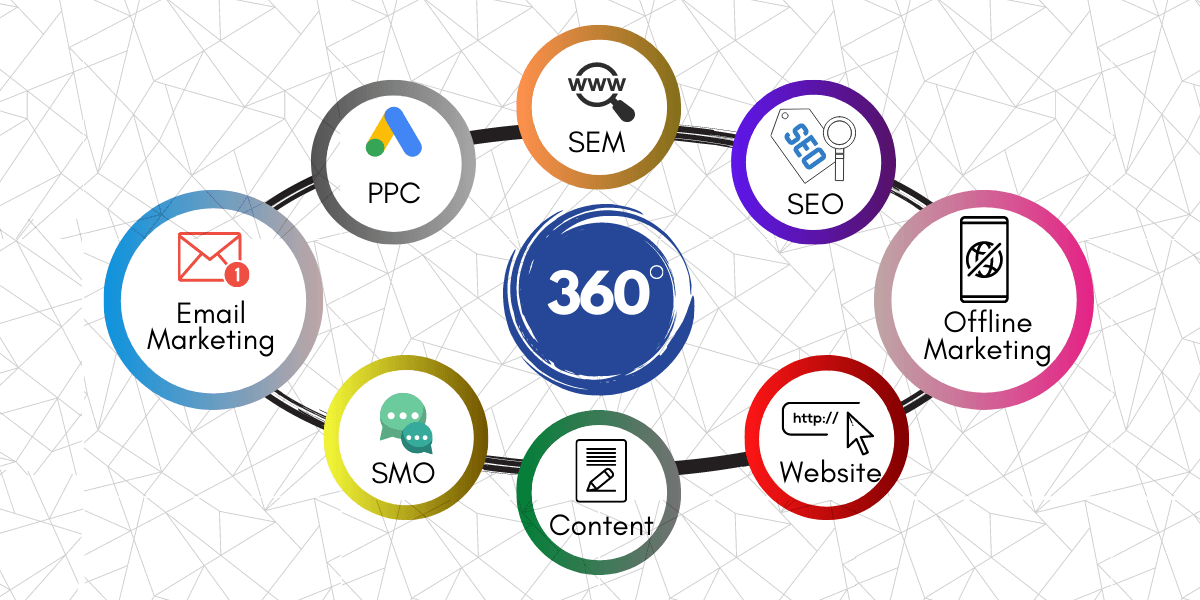
A 360-degree SEO plan is a holistic, integrated SEO strategy that covers every aspect of your digital presence—from technical optimization and content creation to user experience and off-page efforts like link building and digital PR.
Rather than focusing on just one or two tactics, this approach considers how all SEO components work together to drive sustainable, long-term growth.
A 360° SEO Strategy Includes:
-
Technical SEO (site structure, speed, mobile optimization)
-
On-Page SEO (content, keywords, internal linking)
-
Off-Page SEO (backlinks, digital PR, brand mentions)
-
Local SEO (Google Business Profile, local citations)
-
Content Strategy (blogs, landing pages, visual content)
-
User Experience (UX) and Core Web Vitals
-
Analytics & Performance Tracking
-
Voice Search & AI Optimization
Why Do You Need a 360° SEO Strategy in 2026?
With search algorithms becoming smarter and user behavior more complex, partial or isolated SEO efforts no longer cut it. A 360-degree plan ensures your brand is visible across all search touchpoints—Google Search, AI-powered responses, featured snippets, voice assistants, maps, and more.
Key Benefits:
-
Higher rankings and organic traffic
-
Improved website usability and experience
-
Better conversion rates
-
Resilience against algorithm updates
-
Broader brand visibility (search, social, local, mobile)
Components of a 360-Degree SEO Plan
1. Technical SEO: Laying the Foundation
Make sure your website is crawlable, fast, and error-free.
-
Mobile-first design
-
Fast page load speed
-
Secure HTTPS protocol
-
Clean URL structures
-
Fix broken links and duplicate content
-
Submit XML sitemaps and robots.txt
2. On-Page SEO: Content + Optimization
Ensure every page is optimized for both users and search engines.
-
Strategic keyword usage (primary + semantic)
-
Optimized meta tags (titles, descriptions, H1-H6)
-
Image optimization (alt text, file size)
-
Clear internal linking
-
High-quality, original content
3. Off-Page SEO: Building Authority
Strengthen your online reputation through credible, external signals.
-
Quality backlink building
-
Digital PR and influencer outreach
-
Forum participation (e.g., Quora, Reddit)
-
Online reviews and testimonials
-
Social media signals
4. Local SEO: Dominating Local Search
Perfect for businesses with physical locations or local services.
-
Claim and optimize your Google Business Profile
-
Add location-based keywords
-
Get listed in local directories (NAP consistency)
-
Collect and respond to local reviews
-
Use location schema markup
5. Content Marketing: The Engine of SEO
Drive traffic, engagement, and leads through content.
-
Blog posts optimized for SEO
-
Visual content (infographics, videos)
-
Long-form guides and pillar pages
-
Topic clusters and content hubs
-
FAQs and schema-enhanced content
6. UX & Core Web Vitals
User experience is now a ranking factor.
-
Optimize for Core Web Vitals (LCP, FID, CLS)
-
Simplify navigation
-
Use responsive design
-
Improve accessibility (ADA compliance)
-
Reduce pop-ups and intrusive elements
7. Voice Search & AI Optimization
Adapt to how people search with devices and AI tools.
-
Use natural language and question-based content
-
Target featured snippets
-
Optimize for AI Overviews and Google’s AI Mode
-
Include concise, conversational answers
-
Focus on E-E-A-T (Experience, Expertise, Authoritativeness, Trust)
8. Analytics & Tracking
Measure everything to improve continuously.
-
Google Analytics 4 (GA4)
-
Google Search Console
-
Conversion tracking (goals, events)
-
Heatmaps and behavior analysis tools
-
A/B testing for landing pages
How to Build a 360-Degree SEO Plan: Step-by-Step
Step 1: Audit Your Current SEO Status
Start with a full SEO audit covering technical health, keyword rankings, backlink profile, and content quality.
Step 2: Set SMART SEO Goals
Define Specific, Measurable, Achievable, Relevant, and Time-bound objectives (e.g., “Increase organic traffic by 30% in 6 months”).
Step 3: Create a Strategy Document
Include keyword targeting, content themes, technical fixes, outreach plans, and performance KPIs.
Step 4: Execute Across All Pillars
Ensure your strategy includes every aspect mentioned above—on-site, off-site, technical, local, and content.
Step 5: Monitor, Analyze & Improve
SEO is never "done." Regularly assess your performance and iterate based on data and trends.
Is a 360-Degree SEO Plan Worth It?
Absolutely. A fragmented SEO approach might get short-term results, but only a complete, 360-degree plan can deliver sustainable growth in a world where search engines, user behavior, and AI are constantly evolving.
Final Thoughts
A 360-degree SEO plan is no longer optional—it’s essential. It enables your brand to thrive in organic search, meet user expectations, and adapt to future technologies like voice search and AI-driven interfaces.
Whether you're a business owner, marketer, or SEO consultant, now is the time to invest in a strategy that leaves no gaps, no guesswork, and no missed opportunities.